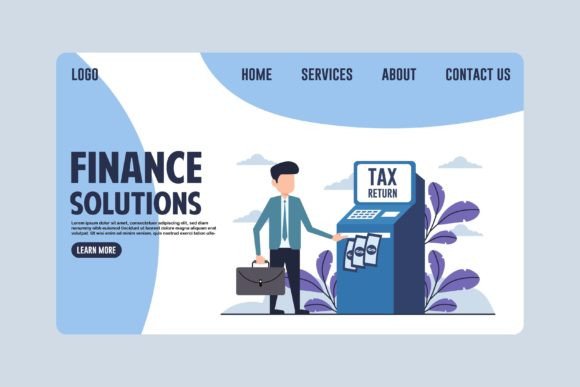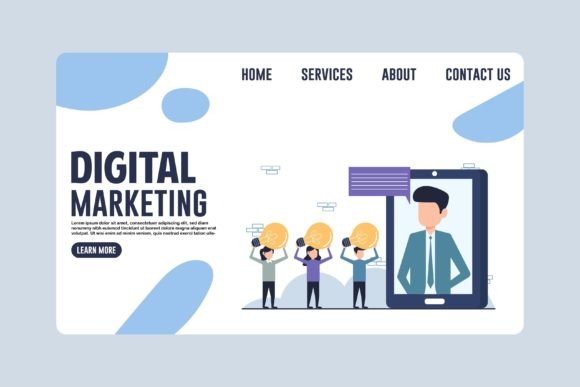
Landing Page Digital Marketing Design: The Power of 100% Vector Assets
In the fast-paced ecosystem of online business, the difference between a visitor and a customer often comes down to a single screen. That screen is the landing page, and its design dictates the trajectory of your marketing campaign. Landing Page Digital Marketing Design has evolved from simple text-and-image layouts into sophisticated visual experiences that must communicate value instantly. However, achieving this level of polish without sacrificing flexibility or file integrity is a challenge many marketers face. The solution lies in the foundational technology behind the graphics: vector-based design.
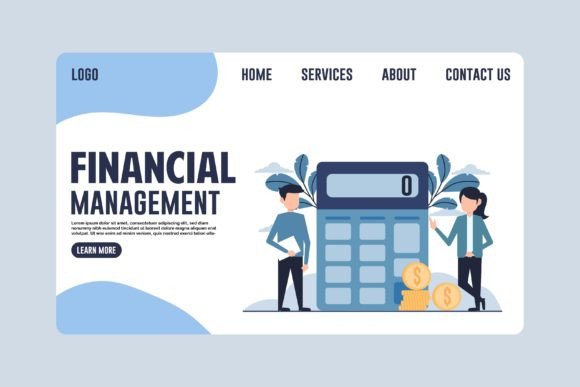
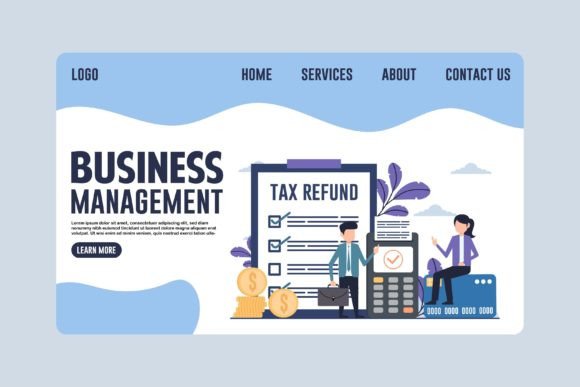
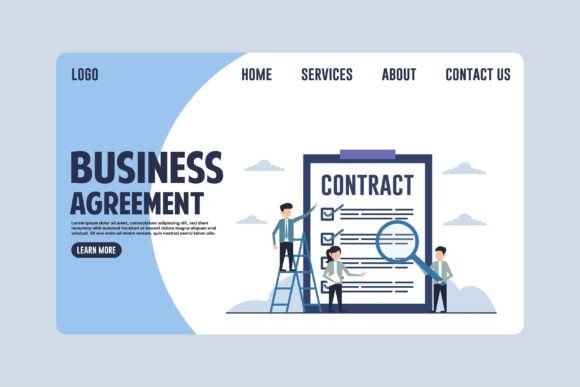
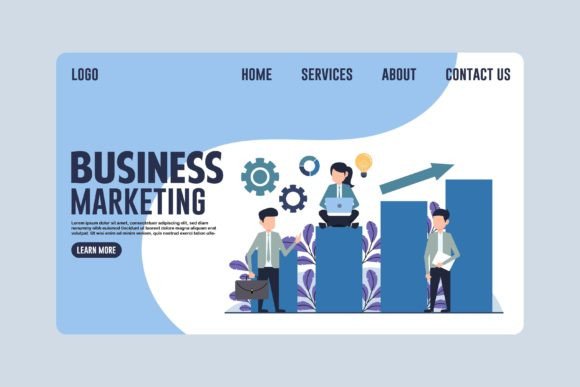
When you invest in a comprehensive design template where all elements are 100% vector, you unlock a level of adaptability that raster images simply cannot match. This approach ensures that every icon, illustration, and layout component remains crisp at any size, allowing you to transform, scale up or down, add or remove elements, and recolor without losing quality. For professionals ranging from freelancers to enterprise marketing teams, this capability is not just a convenience; it is a strategic necessity in an era defined by multi-device consumption and rapid iteration.
The Evolution of Visual Communication in Marketing
The landscape of digital marketing has shifted dramatically over the last decade. In the early days of the web, designers worked within rigid constraints, often relying on static JPEGs or PNGs that would pixelate when resized for different screens. Today, user expectations have skyrocketed. Visitors demand high-definition visuals that load quickly and look perfect on everything from a massive desktop monitor to a compact smartphone screen.
This shift has driven the adoption of vector graphics as the standard for modern web design. Unlike raster images, which are made of a fixed grid of pixels, vector files use mathematical formulas to define shapes. This means a Landing Page Digital Marketing Design built on vector principles can be scaled infinitely without any degradation in clarity. As businesses expand their reach across various platforms, the ability to maintain visual consistency becomes paramount. A logo that looks sharp on a billboard must also look equally professional on a mobile app notification, and vector assets make this seamless transition possible.
Adapting to Modern Workflows and User Habits
Modern workflows require speed and agility. Marketing campaigns are no longer set in stone for months; they are tested, tweaked, and optimized in real-time. A/B testing headlines, swapping out hero images, and adjusting color schemes based on conversion data are daily activities for growth teams. If your design assets are locked in a rigid format, these changes become time-consuming technical hurdles. With a template where all elements are editable vectors, you can easily edit vector files in any vector graphics software to meet immediate campaign needs.
User habits have also changed. Attention spans are shorter, and users are more visually literate than ever before. They can spot low-quality imagery or awkwardly stretched graphics instantly, which damages brand credibility. By utilizing a system where you can transform, scale, and recolor elements without losing quality, designers ensure that the visual message remains compelling regardless of how the content is consumed. This flexibility supports the "mobile-first" mentality that dominates current search engine algorithms and user behavior patterns.
Why 100% Vector Assets Matter for Your Projects
The core advantage of a fully vectorized design template is its versatility. When you acquire a resource pack containing 100 vector source files in EPS formats, you are essentially purchasing a toolkit rather than a finished product. This distinction empowers creators to tailor the design precisely to their brand identity. You are not forced to work around limitations; instead, you can manipulate the design to fit your specific narrative.
Consider the practical implications for a business owner launching a new product. You might need a hero image for your website, a banner for social media ads, and an infographic for a blog post. With raster images, you would likely need to commission separate designs or struggle with resizing artifacts. With vector assets, you can take the same base elements, scale them up for a large banner, shrink them for a mobile web graphic, and change the color palette to match seasonal promotions—all without compromising the resolution. This efficiency translates directly into cost savings and faster time-to-market.
Seamless Integration Across Platforms
The versatility of vector files extends beyond simple resizing. These assets are ideal for a wide range of project types, including Web graphics, Mobile web interfaces, Landing Pages, Banners, Hero Images, Infographics, and other related illustration purposes. Whether you are building a sleek SaaS dashboard or a vibrant e-commerce promotion, the underlying structure remains robust.
For instance, infographics rely heavily on clean lines and readable typography. If you try to create an infographic using low-resolution photos, the final result often looks muddy when printed or viewed on high-DPI displays. Vector-based infographics remain sharp and legible at any magnification. Similarly, hero images—the large, attention-grabbing visuals at the top of a landing page—must capture the eye immediately. Being able to recolor or adjust elements within a vector file allows you to test different visual hierarchies rapidly, ensuring the hero section drives the desired action.
Practical Applications for Professionals and Creators
For entrepreneurs and small business owners, the barrier to entry for high-quality design has traditionally been high. Hiring a dedicated agency for every minor tweak is expensive, while DIY tools often lack the depth needed for professional results. A comprehensive vector template bridges this gap. It provides the structural integrity of a professional design while offering the freedom of a custom build.
Freelancers and creative agencies benefit significantly from the ability to customize templates quickly. When a client requests a change in branding colors or the addition of a specific icon, a vector workflow allows for instant implementation. You can remove unwanted elements or add new text layers without worrying about the background becoming distorted. This responsiveness enhances client satisfaction and streamlines the revision process.
Educators and bloggers also find immense value in these resources. Creating engaging content requires visual aids that clarify complex topics. High-resolution JPG files included in such packages provide ready-to-use assets for presentations or articles, while the EPS source files allow for deep customization if a specific diagram needs to be altered to fit a lesson plan or article angle.
Optimizing for Performance and Quality
Beyond aesthetics, there is a performance aspect to consider. While SVG (Scalable Vector Graphics) is the web standard for vector delivery, having access to the original EPS files ensures you have the highest quality source material. You can export these files in the most efficient format for your specific use case. For web use, you can optimize SVGs for smaller file sizes, ensuring fast load times—a critical factor for SEO and user experience. For print materials or high-resolution digital displays, you can export lossless TIFFs or PDFs from the same source.
The inclusion of high-resolution JPG files alongside the vector sources offers a hybrid approach. If you need a quick mockup or a preview for a stakeholder meeting, the JPGs are ready to go. However, for the final production, the vector files ensure that the output is flawless. This dual-format availability caters to both the speed of modern workflows and the precision required for final deliverables.
Future-Proofing Your Brand Identity
In a digital environment that changes constantly, future-proofing your assets is essential. Trends in color, typography, and illustration styles evolve, but the core need for clear communication remains. By owning the vector source files, you retain full control over your brand's visual evolution. You are not locked into a static design from five years ago. Instead, you can update the style of your illustrations, refresh your color palette, or restructure your layout to align with emerging trends without starting from scratch.
This adaptability is particularly relevant as we move toward more personalized and dynamic web experiences. Landing pages are increasingly tailored to specific audience segments. Having a modular, vector-based design system allows you to create variations of a page for different demographics, industries, or geographic locations. You can swap out industry-specific icons, adjust the tone of the illustrations, or modify the layout to suit cultural preferences, all while maintaining a cohesive brand identity.
Recommendations for Implementation
To get the most out of a 100% vector design template, it is important to have the right tools and mindset. Familiarize yourself with vector graphics software like Adobe Illustrator, Affinity Designer, or free alternatives like Inkscape. These tools allow you to unlock the full potential of the EPS files, enabling you to edit paths, adjust anchor points, and manage layers effectively.
Start by auditing your current design needs. Identify the key touchpoints where your brand interacts with customers—your website, social media channels, email newsletters, and advertising campaigns. Map out how the vector assets can be utilized across these channels to create a unified experience. Remember that the goal is not just to have pretty graphics, but to drive conversions and engagement. Use the flexibility of the vector format to test different visual approaches and measure their impact on your key performance indicators.
Ultimately, investing in a high-quality, fully editable vector design template is an investment in your brand's longevity and effectiveness. It empowers you to respond to market changes with agility, maintain the highest standards of visual quality, and deliver a consistent experience across all digital platforms. In the competitive world of digital marketing, the ability to adapt quickly and beautifully is the ultimate advantage.