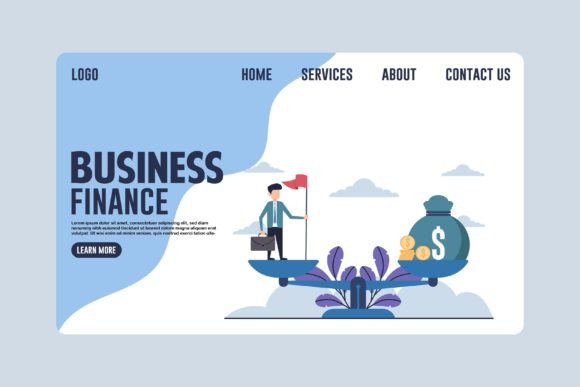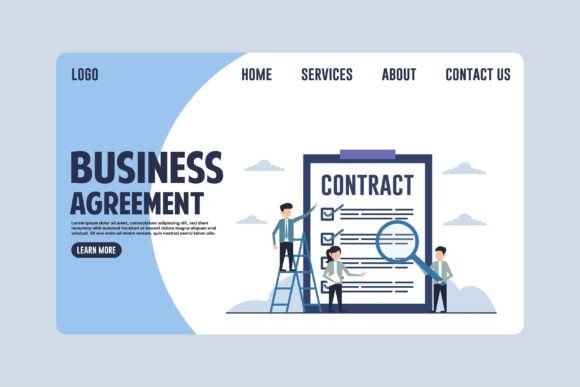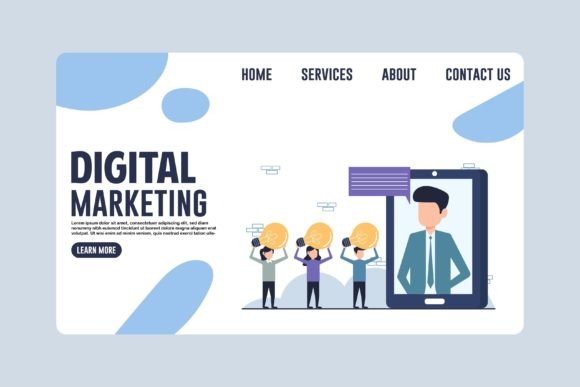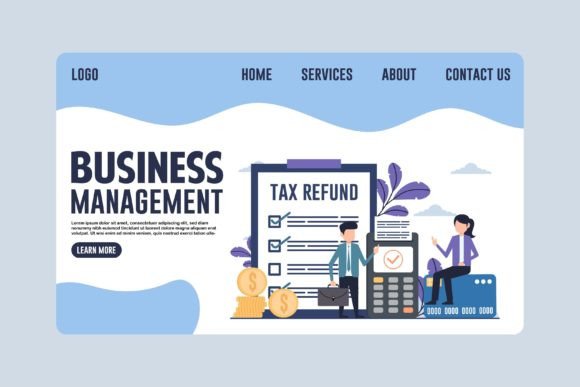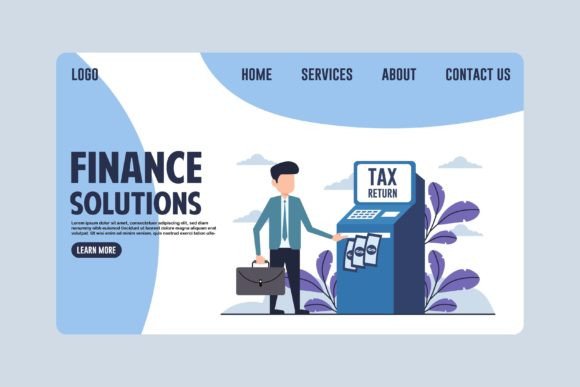
Landing Page Design Finance Solutions for Modern Digital Growth
In the competitive landscape of digital finance, the first interaction a potential client has with a brand often determines their entire journey. This initial touchpoint is rarely a homepage; it is almost always a dedicated landing page designed with a singular purpose: conversion. For fintech startups, investment firms, and financial advisors, Landing Page Design Finance Solutions have become the cornerstone of customer acquisition strategies. The effectiveness of these pages relies heavily on visual clarity, trust signals, and the ability to communicate complex financial concepts through accessible imagery.
The demand for high-quality, adaptable visuals in this sector has never been higher. As businesses pivot towards more personalized and dynamic user experiences, the need for design assets that can be effortlessly customized without sacrificing quality is critical. This is where vector-based design templates transform the workflow for marketers and designers alike. By utilizing resources where all elements are 100% vector, professionals ensure that every graphic remains crisp, scalable, and editable across any platform, from mobile apps to large-scale banner ads.
The Evolution of Financial Visual Communication
Historically, the finance industry was known for conservative, text-heavy marketing materials. Trust was conveyed through dense legal disclaimers and formal language. However, the digital age has shifted user expectations dramatically. Today's consumers, ranging from young crypto enthusiasts to seasoned retirement planners, expect visual storytelling that simplifies complexity rather than obscuring it. They scroll quickly, judge credibility within seconds, and demand immediate value propositions.
This shift has necessitated a new approach to Landing Page Design Finance Solutions. Modern financial landing pages must balance regulatory compliance with engaging aesthetics. The rise of mobile-first browsing habits means that graphics must render perfectly on small screens while retaining impact on desktop monitors. Static images often fail in this environment because they cannot adapt to different layout requirements or branding guidelines without significant rework. Consequently, the industry has moved toward flexible, vector-based assets that allow for rapid iteration and precise customization.
The evolution of these design solutions reflects broader changes in how technology integrates with daily life. As financial services become more app-centric and automated, the visual language must mirror this efficiency. Users no longer want to decipher charts; they want intuitive infographics that explain interest rates, investment growth, or security protocols at a glance. A well-designed landing page acts as a bridge between technical financial data and human understanding, making the abstract concrete and the intimidating inviting.
Why Vector Graphics Are Essential for Fintech
At the heart of effective modern financial design lies the versatility of vector graphics. Unlike raster images, which are composed of fixed pixels and lose quality when enlarged, vector files are mathematically defined shapes. This fundamental difference makes them indispensable for Landing Page Design Finance Solutions. When a designer needs to scale an icon of a growing chart for a hero image on a billboard-sized website header and then shrink it for a mobile notification, vector technology ensures zero loss of quality.
The practical implications of using 100% vector sources are profound for business agility. In a fast-moving market, brands frequently update their color palettes, typography, or messaging to align with current trends or seasonal campaigns. With vector files, these changes are not time-consuming redrawing tasks. Instead, they involve simple edits within any standard vector graphics software. You can recolor elements, transform shapes, add or remove text, and adjust scales instantly. This flexibility reduces production costs and accelerates time-to-market for new financial products.
Furthermore, the scalability of vector assets supports omnichannel marketing strategies. A single set of vector source files can be adapted for web graphics, mobile web interfaces, email banners, social media posts, and even print collateral. This consistency is vital in the finance sector, where brand recognition directly correlates with consumer trust. Whether a user encounters a logo on a smartphone or a brochure in a waiting room, the visual identity remains sharp and professional.
Optimizing User Experience Through Customizable Assets
User experience (UX) in financial services is about reducing friction. Every second spent loading a blurry image or trying to understand a confusing diagram increases the likelihood of a visitor abandoning the page. High-resolution, customizable vector illustrations address these pain points by providing clear, lightweight, and responsive visuals. These assets load quickly and display crisply on high-density "Retina" screens, ensuring that the user interface feels premium and reliable.
Consider the typical components of a high-converting finance landing page: a compelling hero section, feature highlights, trust indicators, and a clear call to action. Each of these sections benefits from tailored imagery. For instance, a hero image might need to depict a diverse group of people managing finances on various devices. Using a template where you can easily edit vector files allows designers to swap out characters, change device models, or adjust backgrounds to better match their target demographic without hiring an illustrator for a custom piece.
Moreover, the ability to transform and scale elements up or down facilitates responsive design. As screen sizes vary from smartwatches to widescreen monitors, the layout must adapt fluidly. Vector graphics allow designers to create master compositions that automatically adjust to different grid systems. This ensures that infographics explaining loan terms or investment portfolios remain legible and aesthetically pleasing regardless of the viewport.
Practical Applications Across Digital Channels
The utility of comprehensive vector design packages extends far beyond a single webpage. A robust collection of assets serves as a foundational toolkit for various digital initiatives. Here is how these resources integrate into modern workflows:
- Web Graphics and Landing Pages: The primary use case involves creating the core visual narrative of a product launch or service offering. The ability to recolor elements ensures perfect alignment with brand guidelines, while the scalability guarantees performance across all browsers.
- Mobile Web and Apps: Mobile users dominate the financial sector. Vector icons and illustrations are essential for app interfaces where space is limited. They provide clarity at small sizes and support dark mode implementations effortlessly.
- Banners and Hero Images: Large-format visuals require high resolution to avoid pixelation. Vector sources allow for infinite scaling, meaning a single file can serve as a full-width website header or a massive outdoor digital billboard.
- Infographics: Explaining financial data requires precision. Vector-based infographics allow editors to update numbers, modify chart bars, and rearrange data points dynamically as market conditions change, keeping content evergreen.
- Marketing Collateral: From email newsletters to social media ads, consistent visuals reinforce brand identity. Having access to source files means marketing teams can produce campaign-specific variations rapidly.
These applications highlight why having access to 100 vector source files in EPS formats is a strategic advantage. It empowers teams to maintain creative control without being bottlenecked by external dependencies. Whether adding a specific logo, removing an irrelevant element, or changing a color scheme to reflect a holiday promotion, the process is streamlined and efficient.
Strategic Benefits for Businesses and Creators
For entrepreneurs and business owners, investing in high-quality, editable design resources is an investment in operational efficiency. The traditional model of commissioning custom illustrations for every project is often cost-prohibitive and time-consuming. By leveraging pre-made, fully editable vector templates, companies can achieve a bespoke look at a fraction of the cost and time. This democratization of design allows smaller fintech firms to compete visually with established giants.
Marketers and bloggers also benefit significantly from these tools. Content creators who need to illustrate complex financial advice or news stories can do so with authority and visual appeal. The inclusion of high-resolution JPG files alongside the vector sources offers immediate usability for those who may not have advanced design software, while the EPS files provide deep editing capabilities for professional designers. This dual format ensures that the asset library is accessible to everyone from solo freelancers to large creative agencies.
Furthermore, the adaptability of these designs supports long-term brand evolution. As a company grows, its visual identity may mature. With static images, this transition requires a complete overhaul of all marketing materials. With vector assets, the transition is seamless. Elements can be subtly refined, colors adjusted, and layouts tweaked to reflect the new brand direction while maintaining continuity. This future-proofing is essential in an industry where perception drives valuation.
Building Trust Through Professional Imagery
In the finance sector, trust is the currency of commerce. Poor design choices—such as pixelated images, inconsistent colors, or generic stock photos—can undermine credibility instantly. Conversely, polished, custom-tailored visuals signal competence and attention to detail. When a user lands on a page featuring crisp, coherent, and professionally executed graphics, their subconscious perception of the company's reliability improves.
The ability to customize these visuals further enhances this trust. Generic templates often feel impersonal. However, when a design team takes a vector template and modifies it to include specific company values, local landmarks, or unique product features, the result feels authentic. This personalization resonates with users, making the financial solution feel like it was built specifically for them. It bridges the gap between a faceless corporation and a helpful partner.
Ultimately, the integration of Landing Page Design Finance Solutions with versatile, 100% vector assets represents a best practice in modern digital strategy. It combines the necessity of high-performance visuals with the flexibility required in a dynamic market. By embracing these tools, businesses can create compelling narratives that educate, engage, and convert, ensuring that their message is not just seen, but understood and trusted. As the digital landscape continues to evolve, the reliance on scalable, editable, and high-quality design resources will only grow, cementing their role as an essential component of successful financial communication.