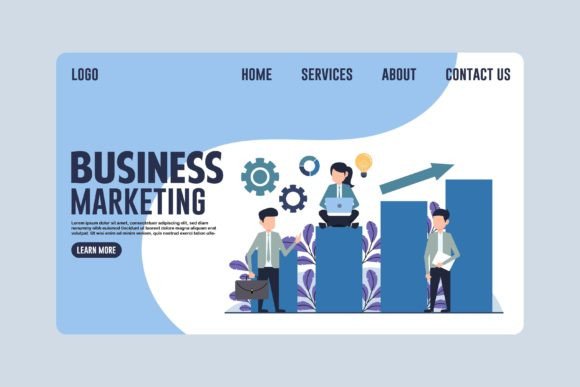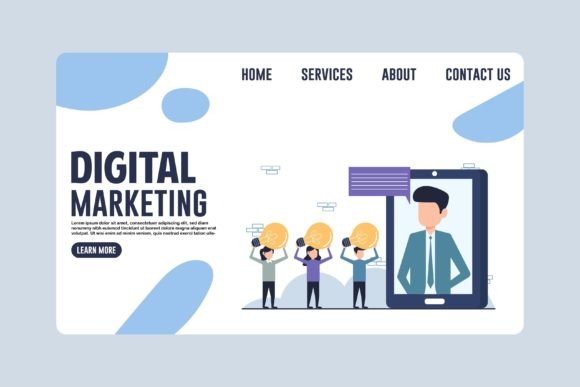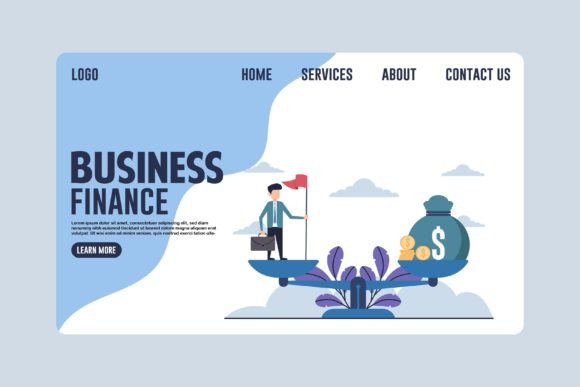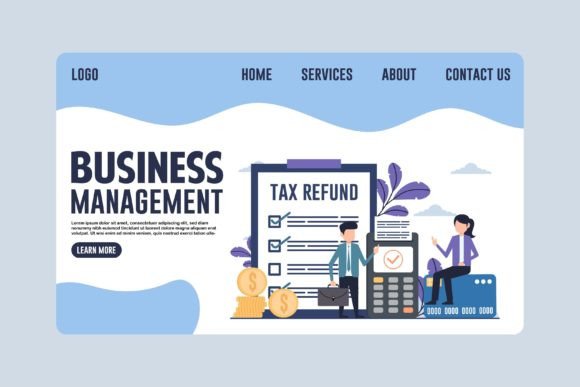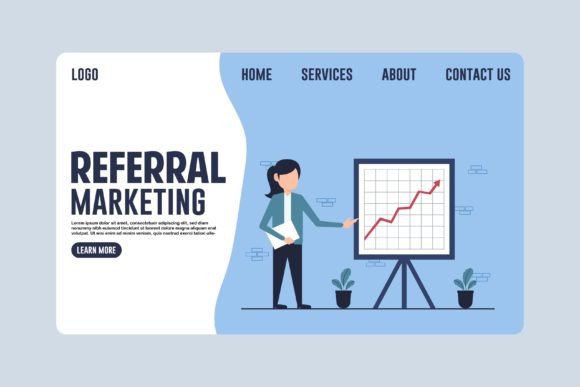
Landing Page Referral Marketing Design
In the competitive landscape of digital growth, a referral program is often the most effective engine for acquiring high-quality users. However, the success of any referral initiative hinges on one critical factor: the visual communication of the offer. This is where a strategic Landing Page Referral Marketing Design becomes indispensable. It is not merely about making a page look attractive; it is about creating a visual narrative that guides visitors toward action, builds trust instantly, and clearly articulates the value of sharing your brand with others. For professionals ranging from startup founders to seasoned marketers, understanding how to leverage scalable, editable design assets can transform a mediocre campaign into a viral growth loop.
The Strategic Power of Vector-Based Visuals
When constructing a landing page dedicated to referrals, flexibility is paramount. Market conditions change, offers are tweaked, and branding guidelines evolve. A static image often becomes obsolete the moment a price point shifts or a new feature is highlighted. This is why modern design strategies prioritize vector graphics. In a robust Landing Page Referral Marketing Design, every element exists as 100% vector data. This technical foundation ensures that you can easily edit vector files in any standard vector graphics software without compromising the integrity of the artwork.
Consider a scenario where a marketing team needs to adjust a hero banner for a mobile audience versus a desktop user. With raster images, scaling down can lead to blurriness, while scaling up results in pixelation. Vector files eliminate this dilemma entirely. You can transform, scale up or down, add or remove elements, and recolor components without losing quality. This adaptability allows designers to maintain a consistent brand identity across various touchpoints, ensuring that the referral message remains crisp and professional whether viewed on a large monitor or a smartphone screen.
Adapting to Diverse Digital Environments
The versatility of vector-based templates extends far beyond simple resizing. These assets are designed to serve multiple purposes within a single ecosystem. A single set of source files can be repurposed to create web graphics, mobile web layouts, standalone landing pages, promotional banners, hero images, and even complex infographics. For an entrepreneur managing limited resources, this multi-functionality is a significant time-saver. Instead of commissioning separate illustrations for each channel, a comprehensive design package provides the raw materials needed to build a cohesive visual strategy across all platforms.
For instance, if you are launching a referral campaign for a SaaS product, you might need a detailed infographic explaining the reward tiers for your blog, a sleek hero image for your main landing page, and a compact banner for social media ads. Using a template where all elements are 100% vector means you can extract specific icons, rearrange text blocks, and adjust color schemes to match each platform's requirements instantly. This streamlines the production workflow, allowing teams to focus on strategy rather than struggling with low-resolution assets.
Enhancing Communication Through Customization
One of the primary challenges in referral marketing is explaining the mechanics of the program clearly. Visitors must understand what they get, what their friends get, and how to participate, all within seconds of landing on the page. A generic template often fails here because it cannot be tailored to the specific nuances of a unique business model. A high-quality Landing Page Referral Marketing Design solves this by offering deep customization capabilities.
Because the design relies on editable vector sources, you can add, remove, or modify text and graphical elements to fit your exact messaging. If your referral program involves a tiered reward system, you can visually represent these levels using the provided shapes and icons, coloring them to match your brand palette. If the offer changes from a cash bonus to a subscription extension, the graphic elements can be swapped out immediately. This level of control ensures that the visual presentation aligns perfectly with the copy, reducing cognitive load for the user and increasing the likelihood of conversion.
Furthermore, the ability to recolor without losing quality supports dynamic branding initiatives. Seasonal campaigns, such as holiday promotions or back-to-school offers, often require a shift in color psychology. With vector assets, changing a dominant blue theme to a festive red or green is a matter of minutes, not days. This agility keeps your marketing efforts fresh and relevant, preventing the stagnation that often plagues long-running referral programs.
Practical Applications for Small Businesses and Creators
Who benefits most from this approach? The answer lies with those who need professional-grade visuals but lack the budget for custom illustration agencies. Freelancers, small business owners, bloggers, and educators often operate with lean teams. For these individuals, the ability to access 100 vector source files in EPS formats is a game-changer. It democratizes high-end design, allowing a solo creator to produce assets that rival those of major corporations.
Imagine a freelance consultant building a referral network for their services. They need a landing page that looks authoritative yet personal. By utilizing a vector-based template, they can customize the illustrations to reflect their specific niche—perhaps adding industry-specific icons or adjusting the layout to highlight testimonials. The included high-resolution JPG files ensure that even if they do not have vector editing software, they still have access to polished, ready-to-use images for immediate deployment. This dual-format delivery caters to both advanced designers and non-technical users, broadening the utility of the resource.
Streamlining the Design Workflow
Efficiency is a cornerstone of successful marketing operations. Time spent wrestling with incompatible file formats or trying to recreate graphics from scratch is time taken away from analyzing performance metrics and optimizing conversion rates. A well-structured Landing Page Referral Marketing Design template addresses these friction points directly. By providing a complete suite of 100 vector source files, the template acts as a centralized asset library.
This organization simplifies decision-making. When a designer opens the project, they are presented with a structured hierarchy of layers and groups, making it intuitive to locate specific elements. Whether the goal is to simplify a complex diagram for an infographic or to isolate a character for a social media post, the process is straightforward. This reduction in technical complexity lowers the barrier to entry for creative experimentation. Teams can iterate faster, testing different visual arrangements to see which resonates best with their audience.
Moreover, the scalability of vector graphics future-proofs your content. As your business grows, so does your need for larger formats. Perhaps you decide to print a billboard or create a large-scale trade show display based on your digital referral campaign. Because the original files are vector-based, you can scale the design to massive dimensions without any degradation in sharpness or detail. This eliminates the need to purchase new assets later, providing a long-term return on investment.
Considerations for Implementation
While the benefits of vector-based templates are substantial, it is important to consider the context of use. While the flexibility is immense, it does require a basic familiarity with vector editing software to unlock its full potential. Users who rely solely on the included JPG files will miss out on the transformative capabilities of editing the source EPS files. Therefore, investing time in learning the basics of tools like Adobe Illustrator or Affinity Designer can significantly amplify the value derived from these assets.
Additionally, while the template provides a strong foundation, it should not be viewed as a substitute for strategic thinking. The design serves the message, not the other way around. Before diving into customization, it is crucial to define the core value proposition of your referral program. The visual elements should reinforce this message, not distract from it. Comparing different design options and ensuring they align with your brand voice is essential before finalizing any changes.
Driving Results with Professional Imagery
Ultimately, the goal of any referral marketing effort is to drive action. Professional imagery plays a pivotal role in establishing credibility and encouraging participation. A poorly designed landing page can undermine even the most generous referral offer, causing potential advocates to lose interest. Conversely, a polished, cohesive Landing Page Referral Marketing Design signals professionalism and reliability.
By leveraging a template where all elements are 100% vector, you ensure that every visual component contributes to a premium user experience. From the initial hero image that captures attention to the detailed infographics that explain the rewards, consistency is maintained throughout the user journey. This attention to detail fosters trust, making visitors more comfortable sharing your link with their networks. In an era where consumers are bombarded with low-quality content, standing out with high-fidelity, adaptable graphics is a decisive advantage.
Whether you are a marketer looking to boost conversion rates, a blogger seeking to expand your community, or an educator promoting a course, the right design assets can make the difference between a stagnant campaign and a thriving referral ecosystem. By choosing resources that prioritize editability, scalability, and quality, you equip yourself with the tools necessary to adapt, innovate, and succeed in a dynamic digital environment.