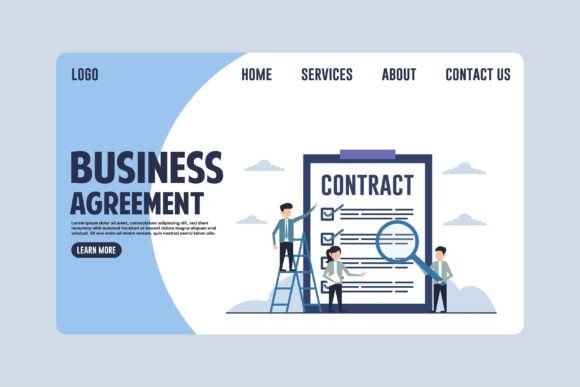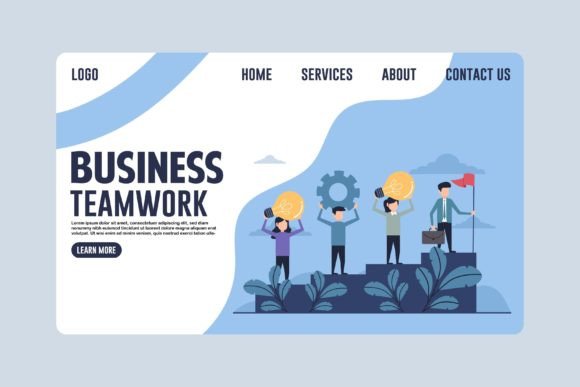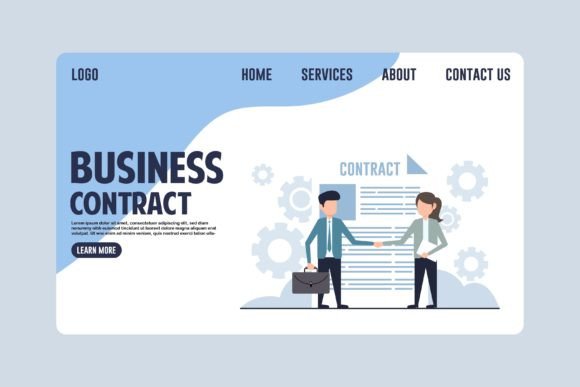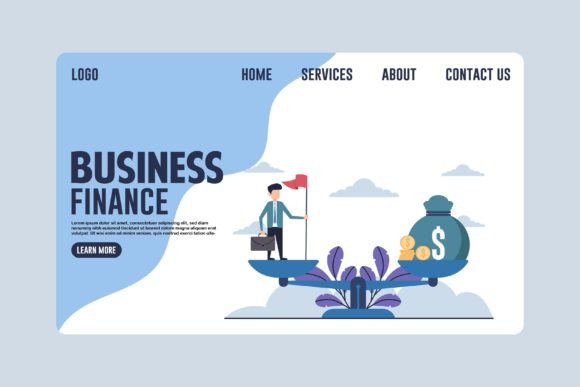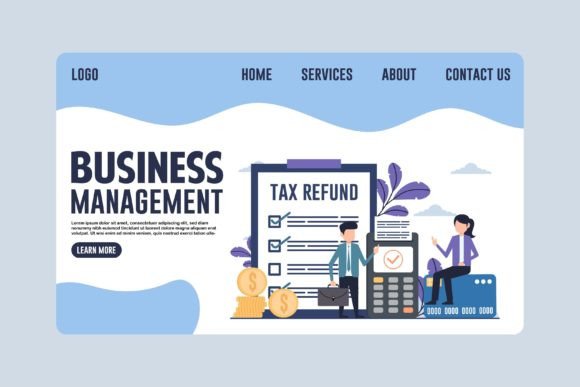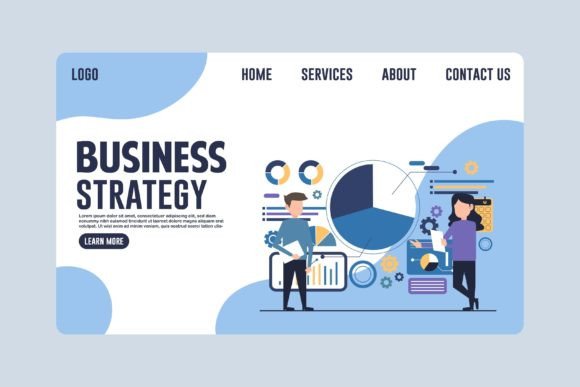
Modern Business Strategy Webpage Concept: A Guide to Smart Vector Design Choices
In the fast-paced world of digital communication, the visual representation of your ideas can make or break a project. The Modern Business Strategy Webpage Concept has emerged as a powerful tool for professionals seeking to visualize complex data, strategic plans, and corporate narratives without getting bogged down in custom illustration work. At its core, this design resource offers a collection of 100% vector elements that allow you to build professional-grade graphics for websites, mobile apps, landing pages, and infographics. However, simply downloading a template is not enough; understanding how to leverage these assets correctly is what separates a polished brand identity from a generic, cluttered presentation.
Many designers and business owners assume that because a file is labeled "vector," it is automatically perfect for any use case. This is a common misconception that often leads to wasted time and subpar results. While the promise of scalability is real—allowing you to transform, scale up or down, and recolor without losing quality—the execution requires a strategic approach. When you choose to integrate a Modern Business Strategy Webpage Concept into your workflow, you are making a decision about efficiency, consistency, and brand perception. Getting this right means avoiding the pitfalls of over-customization, format confusion, and poor composition.
The Power of 100% Vector Assets in Business Communication
The primary advantage of working with the Modern Business Strategy Webpage Concept lies in its technical foundation. Unlike raster images (such as JPEGs or PNGs) which are made of pixels and degrade when enlarged, vector graphics are mathematically defined. This means every line, shape, and icon included in the package remains crisp at any size. Whether you need a tiny favicon for a browser tab or a massive hero image for a conference banner, the quality remains intact.
This flexibility is crucial for modern marketing strategies where content must be repurposed across multiple channels. You might start with a desktop webpage layout, then adapt the same elements for a mobile web view, a social media infographic, or a printed brochure. The ability to add or remove elements, change colors to match your brand palette, and resize components without pixelation saves hours of redrawing. For entrepreneurs and small business owners who may not have a dedicated design team, this efficiency is invaluable. It allows you to maintain a high standard of visual communication while keeping costs low.
Common Mistakes When Using Vector Business Templates
Despite the clear benefits, there are several ways users mishandle these resources, often undermining the very quality they paid for. One of the most frequent errors is treating the template as a finished product rather than a starting point. Many users download the Modern Business Strategy Webpage Concept and apply it directly without adjusting the color scheme, typography, or layout to fit their specific brand identity. This results in a generic look that fails to distinguish the business from competitors. If five different companies use the exact same blue-and-grey strategy graphic, none of them will stand out.
Another overlooked detail is the improper management of file formats. The package typically includes high-resolution JPG files for quick previews and EPS files for editing. A common mistake is using the JPG version for final production work. While the JPG looks fine on a screen, it cannot be edited, recolored, or scaled beyond its original dimensions without quality loss. Always ensure you are working within the vector source files (EPS) when making significant changes. Attempting to edit a flattened image defeats the purpose of purchasing a vector asset and limits your creative freedom.
Furthermore, users often struggle with "element overload." Because the template provides 100 vector source files, there is a temptation to include everything. Stuffing a landing page or infographic with too many icons, charts, and illustrations creates visual noise. This confuses the audience and dilutes the core message. A clean, focused design communicates strategy more effectively than a crowded one. The goal is to guide the viewer's eye, not overwhelm them with options.
How These Errors Impact Your Results
The consequences of these mistakes go beyond aesthetics. Poor customization leads to weak brand recognition. If your visuals do not align with your company's tone and values, potential clients may perceive your business as unprofessional or impersonal. In the realm of business strategy, clarity is king. A confusing infographic or a cluttered webpage increases cognitive load, causing visitors to leave your site before absorbing your key points. This directly affects conversion rates and user satisfaction.
Additionally, using the wrong file formats can cause technical headaches during the development phase. Web developers may reject low-resolution images, forcing last-minute rushes to find better assets. This delays launch times and increases stress. Similarly, failing to optimize vector files for the web can result in slow loading speeds. While vectors are scalable, an overly complex SVG or EPS file converted for web use without simplification can bloat page weight, negatively impacting SEO and mobile performance.
Practical Steps to Maximize Your Design Investment
To avoid these pitfalls and get the most out of the Modern Business Strategy Webpage Concept, adopt a structured workflow. First, always open the EPS files in compatible vector graphics software such as Adobe Illustrator, CorelDRAW, or Inkscape. Before you begin designing, take time to audit the elements provided. Identify which icons and shapes truly support your narrative and delete the rest. Create a simplified library of assets that matches your specific project needs.
Next, prioritize brand alignment. Do not just accept the default colors. Use the vector properties to recolor every element to match your official brand guidelines. Adjust stroke weights and spacing to ensure harmony with your existing typography. Remember, the template is a skeleton; your brand gives it life. For example, if your company represents innovation, you might opt for a dynamic color palette and sharper angles. If you represent stability, softer tones and rounded shapes might be more appropriate.
When preparing files for different platforms, remember the context. For a Hero Image on a website, ensure the background is optimized for web compression. For print materials like brochures or banners, export at the highest resolution possible. Always keep the master EPS file safe and organized. Create separate versions for different uses—one for the web, one for print, and one for mobile—to prevent accidental corruption of the original source.
What to Check Before You Download or Buy
Before committing to a purchase or download, verify the compatibility of the files with your current software stack. Ensure that the EPS version is compatible with the version of your vector editor. Some older templates may contain features that newer software handles differently, or vice versa. Additionally, check the licensing terms carefully. While many templates offer broad usage rights for personal and commercial projects, some may restrict use in resale items or require attribution.
Also, review the included preview images critically. Look for signs of good design principles: balanced composition, clear hierarchy, and logical flow. If the sample images look cluttered or outdated, the editable files likely won't save you much time. A high-quality Modern Business Strategy Webpage Concept should feel modular and intuitive, allowing you to rearrange components easily. Finally, consider the support available. Reputable providers often offer documentation or customer support if you encounter issues opening or editing the files.
By approaching these design resources with a critical eye and a strategic mindset, you transform a simple download into a powerful asset for your business. The Modern Business Strategy Webpage Concept is not just a collection of graphics; it is a framework for clearer communication. When used correctly, it empowers you to present your vision with precision, professionalism, and impact, ensuring that your strategic messages are not just seen, but understood.