Desert Grunge Texture Backgrounds: A Practical Guide for Creative Workflows
Integrating high-quality visual assets into a design workflow is rarely just about picking an image; it is about understanding how that asset functions within the broader context of a project. Desert Grunge Texture Backgrounds serve as more than simple decorative elements. They are foundational layers that establish mood, depth, and narrative before a single line of typography or vector shape is added. For graphic designers, photographers, digital artists, and web designers, these textures provide a bridge between the clean precision of digital tools and the organic imperfections of the physical world. This collection is specifically curated to help professionals infuse their projects with vintage charm while maintaining the technical standards required for modern print and digital media.
The Role of Textures in the Design Process
In any robust creative process, texture application usually occurs during the early conceptualization phase or as a finishing layer during post-production. When working with Desert Grunge Texture Backgrounds, the timing of implementation dictates the final outcome. If applied at the beginning of a project, these backgrounds act as a constraint and a guide. The warm, earthy tones and weathered surfaces inherent in desert grunge styles immediately suggest a specific color palette and thematic direction. This can accelerate decision-making for illustrators and content creators who need to quickly establish a visual identity for a brand or a campaign.
Conversely, applying these textures after the primary composition is complete allows for subtle enhancement. In photography workflows, a photographer might shoot a clean product image and later overlay a Desert Grunge Texture Background to simulate age, travel, or rugged durability. This approach is common in e-commerce and editorial work where the subject needs to feel grounded in a specific environment without the logistical cost of an on-location shoot. The key is recognizing that these textures are not merely overlays but active participants in the storytelling mechanism of the design.
Technical Specifications and Workflow Integration
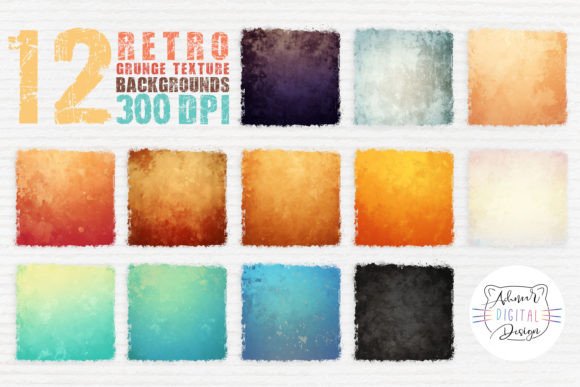
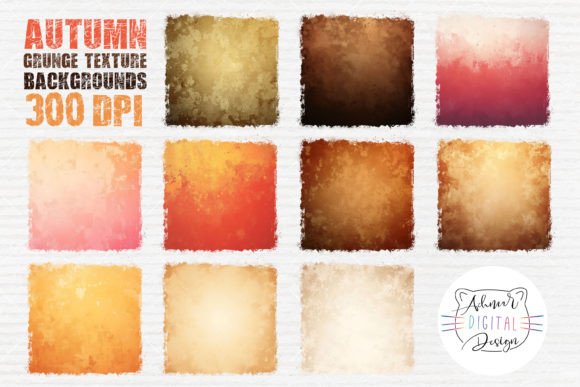
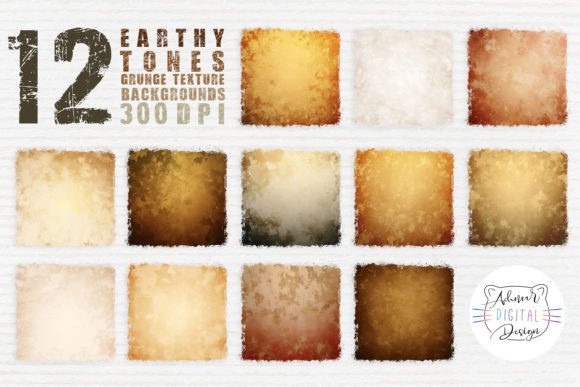
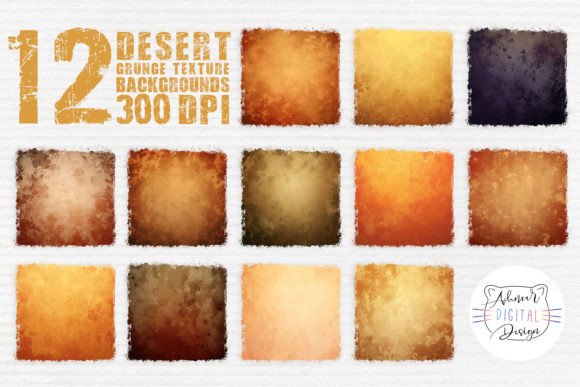
Efficiency in a professional workflow relies heavily on asset compatibility and quality. The collection provided includes 12 graphic elements in JPEG format, packaged in a single zipped file for streamlined organization. Each image is rendered at 300 DPI, a critical specification for ensuring high-resolution output. This resolution standard means the Desert Grunge Texture Backgrounds are versatile enough for both large-format printing and detailed digital displays. Whether you are designing a poster that will be viewed from ten feet away or a website background that must remain crisp on a retina display, the 300 DPI standard ensures that pixelation does not compromise the aesthetic.
For digital artists and web designers, the JPEG format offers broad compatibility across industry-standard software such as Adobe Photoshop, Illustrator, Affinity Designer, and Figma. While some purists prefer TIFF or PSD files for layered editing, the high-quality JPEGs in this set are optimized for immediate use. They can be dragged directly into a canvas, adjusted using blend modes like Multiply, Overlay, or Soft Light, and masked to fit complex compositions. This reduces the time spent on file conversion and troubleshooting, allowing creators to focus on execution rather than technical hurdles.
Preparation and Asset Management
Before integrating these textures into a live project, effective preparation involves organizing your digital workspace. Since the download contains 12 distinct files, it is prudent to create a dedicated folder structure within your project directory. Labeling these assets clearly—perhaps by color temperature, grain density, or specific desert motif—can save significant time when iterating through options. Many professionals find it helpful to create a "swatch" document where all 12 Desert Grunge Texture Backgrounds are placed side-by-side. This allows for rapid comparison against the primary design elements, helping to identify which texture provides the necessary contrast and depth without overwhelming the focal point.
Consistency is another vital factor in long-term use. If you are developing a series of posters or a multi-page website, selecting one or two complementary textures from the set ensures visual cohesion. Mixing too many different grunge patterns can lead to a cluttered, disjointed appearance. By limiting the selection to a cohesive subset of the 12 available options, you maintain a unified brand voice while still leveraging the vintage charm that defines this style.
Practical Use Cases Across Industries
The versatility of Desert Grunge Texture Backgrounds extends across various sectors, each with unique requirements and goals. Understanding these specific applications helps maximize the value of the asset pack.
- Poster and Print Design: For musicians, event organizers, and independent publishers, these textures are ideal for creating album covers, concert flyers, and book jackets. The weathered look evokes a sense of history and authenticity that resonates with audiences seeking a retro or alternative aesthetic. The high resolution ensures that even fine details in the grunge pattern remain visible when printed on textured paper stocks.
- Web and UI Design: Web designers often struggle to make flat, minimalist interfaces feel engaging. Adding a subtle Desert Grunge Texture Background behind a hero section or a footer can add tactile depth without sacrificing readability. By adjusting the opacity and blending modes, the texture becomes a supportive element that enhances the user experience rather than distracting from it.
- Photography and Retouching: Photographers can use these backgrounds to composite subjects into new environments. A portrait shot against a plain backdrop can be transformed into a rugged, outdoor scene by masking in a desert grunge texture. This technique is particularly useful for fashion shoots aiming for an edgy, urban, or vintage vibe.
- Digital Illustration: Illustrators often struggle to replicate the look of traditional media digitally. These textures can mimic the grain of watercolor paper, the scratchiness of charcoal, or the dust of an old photograph. Layering them over digital paintings adds a level of realism and complexity that pure brush strokes sometimes lack.
Optimizing Quality Control and Output
When implementing Desert Grunge Texture Backgrounds, quality control is essential to ensure the final deliverable meets professional standards. One common pitfall is over-saturation. Because grunge textures contain a lot of visual noise, they can easily compete with the main subject if not managed correctly. A practical tip is to always view the design at 100% zoom before finalizing. Check for areas where the texture might obscure text or important graphical elements. Using adjustment layers to desaturate or darken specific parts of the texture can help push it back into the background, ensuring the hierarchy of information remains clear.
Furthermore, consider the interaction between the texture and other resources in your toolkit. If you are using bold, sans-serif typography, the organic chaos of the desert grunge creates a pleasing contrast. However, if your typeface is already highly decorative, you may need to tone down the texture significantly to avoid visual fatigue. This balance is achieved through iterative testing. Save versions of your work with different texture intensities and compare them after a short break. Fresh eyes often reveal whether the vintage charm is enhancing the message or detracting from it.
Long-Term Value and Strategic Planning
Investing in a comprehensive set of 12 high-resolution textures is a strategic move for any creator looking to streamline their future projects. Instead of searching for individual assets for every new job, having a reliable library of Desert Grunge Texture Backgrounds ensures that you always have the right tool ready. This availability reduces the friction in the creative process, allowing you to move from planning to execution more rapidly. Over time, these assets become part of your personal style kit, contributing to a recognizable and consistent portfolio.
For small business owners and marketers, this consistency translates to brand recognition. When clients see a cohesive visual language across social media graphics, email headers, and promotional materials, it builds trust and professionalism. The ability to quickly adapt these textures for different formats—from Instagram stories to billboard-sized prints—demonstrates flexibility and efficiency. Ultimately, the goal is not just to apply a texture but to integrate it seamlessly into a workflow that prioritizes quality, speed, and artistic integrity.
By understanding the technical specifications, planning your asset management, and applying these textures with intention, you can elevate your digital artwork and enhance photos with genuine impact. Don't miss out on the chance to customize your website backgrounds, design compelling posters, or add texture to illustrations with premium resources. Upgrade your creative projects today and let the rugged beauty of the desert inform your next masterpiece.